
In today's online guitar lessons classical guitarist Craig Winston gives a run down of various versions of guitar tablature throughout history. Craig Winston is a classical guitarist and teacher in Denver, CO. He holds a Master of Music degree from Lamont School of Music at the University of Denver.
How to read modern tablature and a brief history of TAB.
In modern times, we (incorrectly) think of guitar tablature as the layman’s way of learning music on the instrument. Tablature, or TAB, is a notation system for fretted string instruments that basically graphs the exact position of a note on the strings and frets. In other words it will tell you exactly what fret and what string to play a note at a specific point in time of the music. While music notation gives us a graph of pitch vs. time, TAB notation gives us a graph of position vs. time.
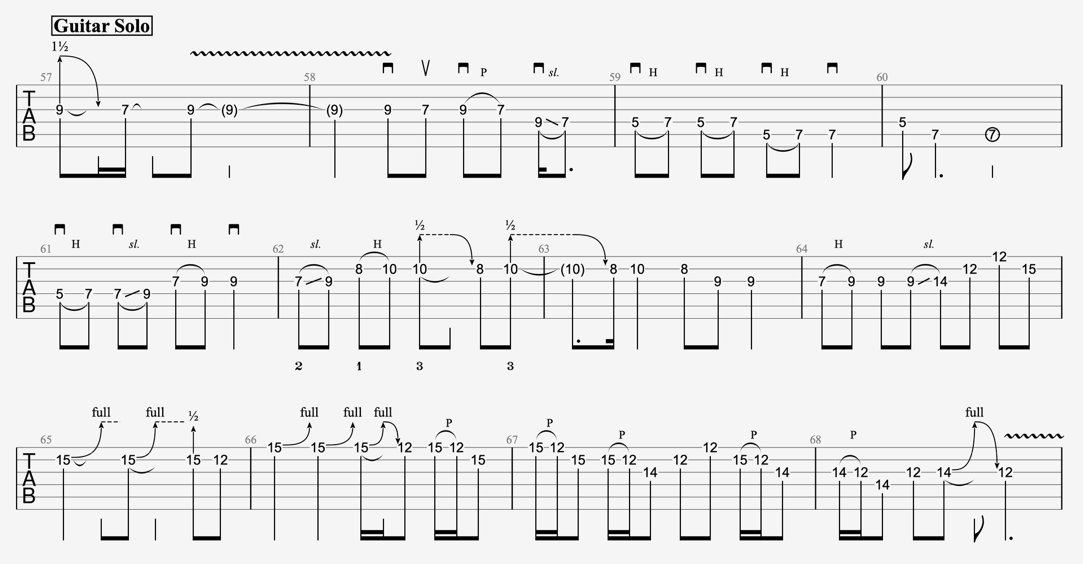
Modern TAB is in fact very sophisticated. For the 6 string guitar, it shows a graph of six lines with the lowest line representing the lowest pitched string and the top line the highest pitched. The numbers on the lines indicate the fret of that particular string where you will place a finger. Reading the graph from left to right indicates where in time the event occurs. Some transcriptions go so far as to include rhythm markings within the notation, with numbers encircled for whole notes, encircled and stemmed for halfs, stemmed for quarters, stemmed and flagged for eighths and so forth. This form of notation can be very useful to many guitarists, especially rock guitarists when learning complex solos. It can prove troublesome to classical guitarists that rely heavily on additional finger indications for both hands—effectively the tablature will go so bogged with numbers that it is just confusing.
But, like music notation, TAB is a music technology that has evolved over time. Below is a brief list of some of its evolutions…none of which are out of use, per se as many scholars and performers still defer to original manuscripts in their studies.
Alfabetto -
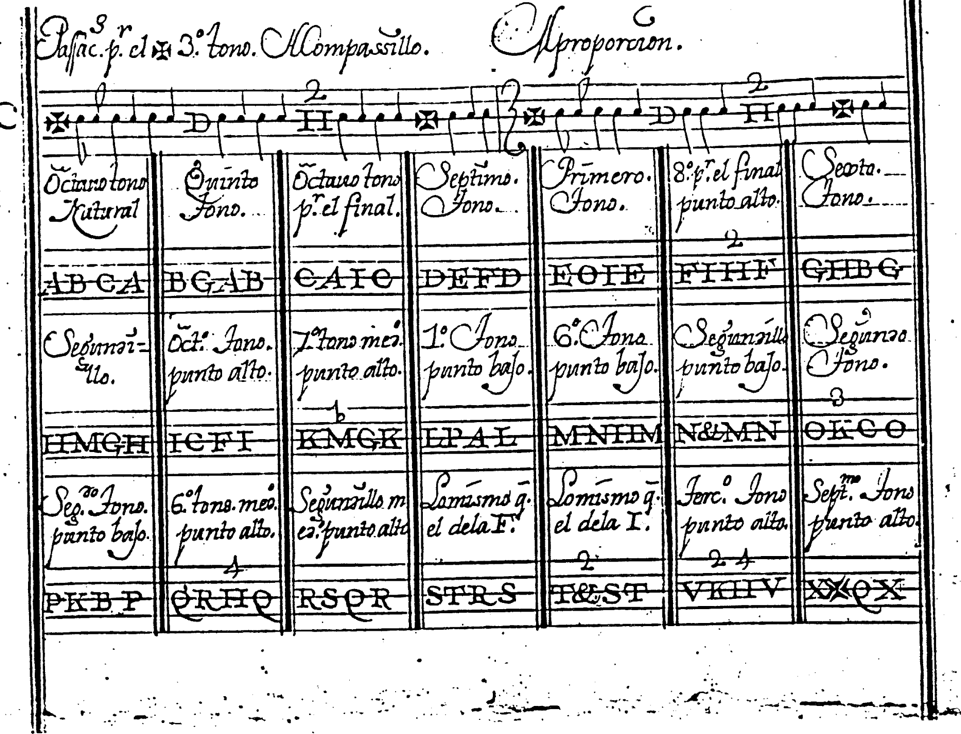
This is a system of chord diagrams that used tablature to demonstrate the chord but would rely on arbitrary letters and symbols to name the chord. There were no universal names for chords, for example today we know that whenever music calls for a C major chord, we must play a specific set of notes or even a specific shape every time. In Alfabetto, the manuscript would begin with a list of chords based on the order they were used in the piece (not on the key or harmony it played), so a C chord, if it is the first in the piece would look like this (with the tablature underneath explaining how it is played):
A
-0-
-3-
-2-
-0-
-1-
-0-
Since the chord we know today as G major would likely follow it, that chord would be labeled B (the second chord found in the piece):
B
-3-
-2-
-0-
-0-
-0-
-3-
So chords were named anew with every collection of songs based on how they were used in the collection. It’s important to remember that this system was guitar specific, and for a very long time, guitar existed outside the bounds of regular music practice, not fully adopting its notation systems or theory until the late Baroque.
Italian Tablature (also Spanish)
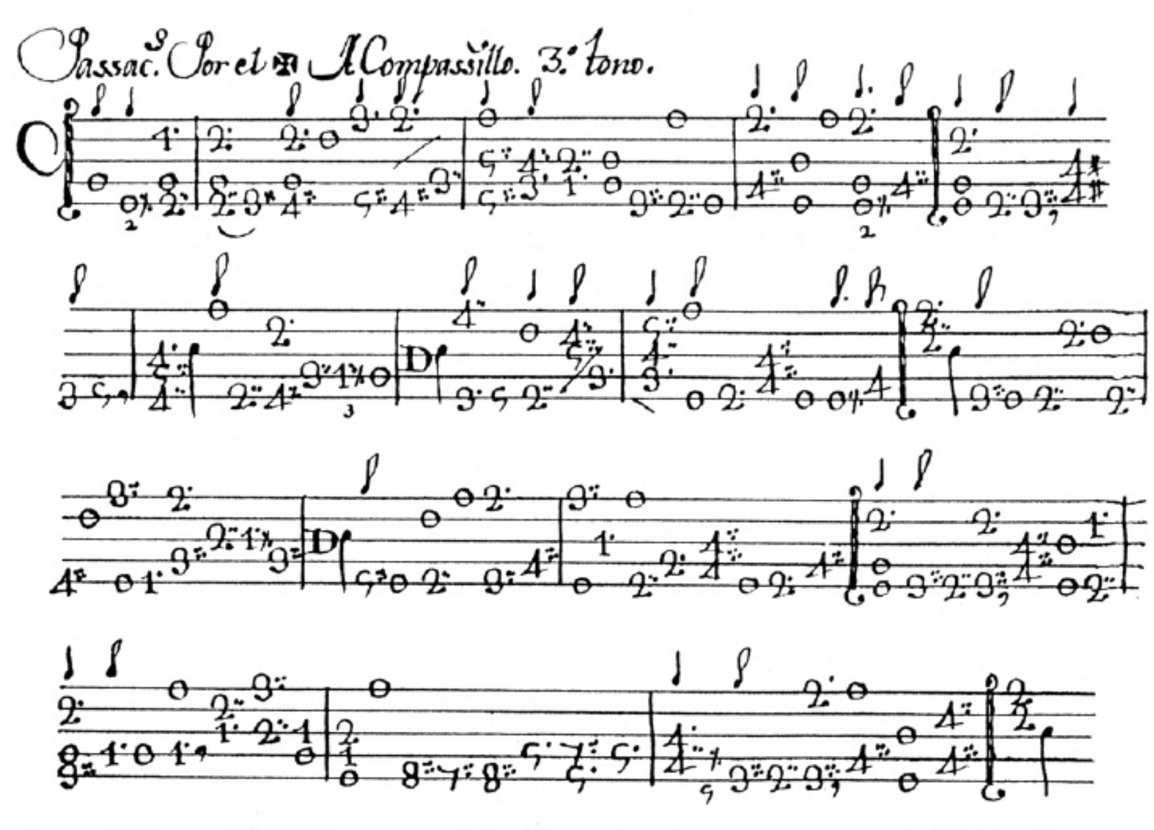
Many of you are wondering why the tablature I gave for the C and G major chords above is in fact upside down. This is because the long standing tablature system adopted from the Italians held that the top line corresponded to the Low E string and the bottom line corresponded to the High E. Effectively, this was likely based on the visual aspect of looking down at the guitar from playing position, the string you see stacked on top is the low E.
Italian Tablature included rhythm markings above the graph. Each time a rhythm would change, the new rhythm would be printed, and everything that followed would use that subdivision until indicated otherwise. In other words if the first number had a quarter note above it, all following numbers are also counted as quarter notes until we see a different indication.
Alfabetto was later combined with Italian Tablature to indicate strummed chords amongst the melodic passages.
French Tablature
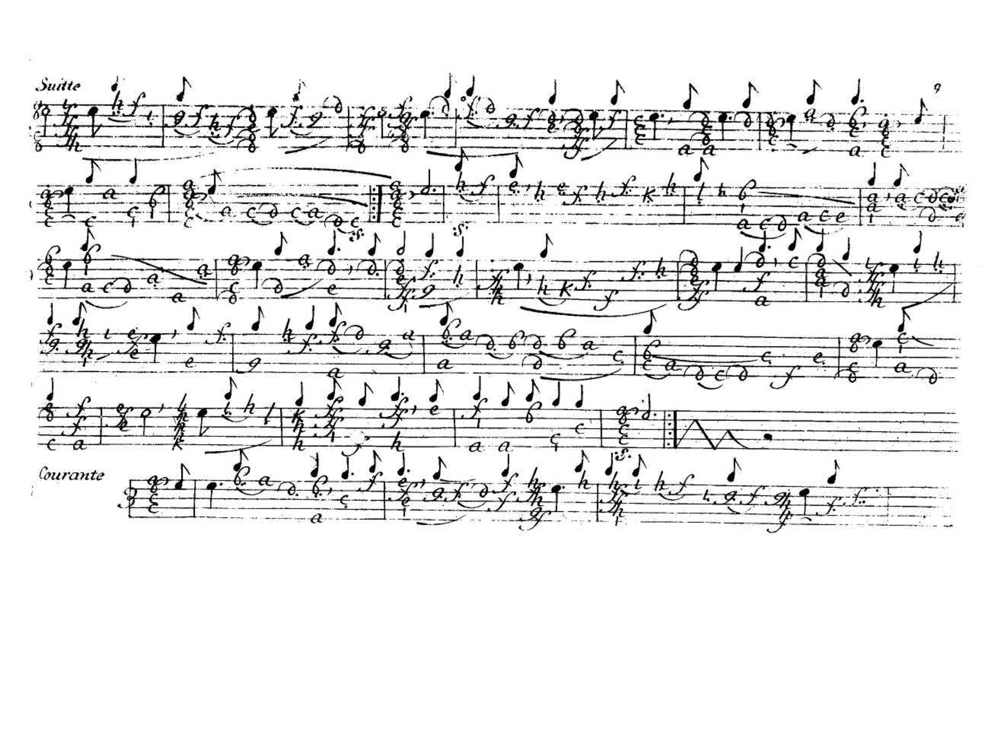
The lutenists notation of choice, this method of entabulation uses letters instead of numbers to indicate frets. a=1, b=2, c=3, d=4 and so forth. The letters go to j and begin with doubled letters aa, etc. It utilizes a similar string ordering and rhythmic indication to Italian Tablature, and it incorporates Alfabetto notation. The advantage of this notation is that left hand finger indications can be given alongside the alphabetized fret indications, however the learning curve can be greater. Guitar music by the French Baroque guitarist Robert DeVisee uses French Tablature, and most Renaissance and Baroque Lute music relied on it.
Modern Tablature
The modern system improved upon older methods by making the logic of the graph pitch relative, as mentioned before the low line now corresponds to the low pitched string. This put it more in line with standard music notation in which the pitch of the note ascends as the position ascends up the graph. As guitar has come to adopt standard music practices and vocabulary as well, we have normalized chord names, include chord symbols and tablature, and more specific rhythm per beat. Guitar specific performance directions are also now included, such as rasgueado, slides, hammers, pull-offs, pick directions, whammy bar tremolo, vibrato, etc.
It’s important to remember that, while tablature can have its limitations, there are a wealth of benefits to using it in addition to reading music and chord charts. A multitude of music for guitar, lute, oud, and early predecessors of these instruments only exists in tablature (the same can be said of many modern rock, blues, and jazz compositions aside from their recordings). For certain exercises, tablature can actually be a more effective learning tool as it can tell us specifically how to play a certain scale, arpeggio, or gesture. So it is of benefit to us to learn many modes of reading music for our instrument.